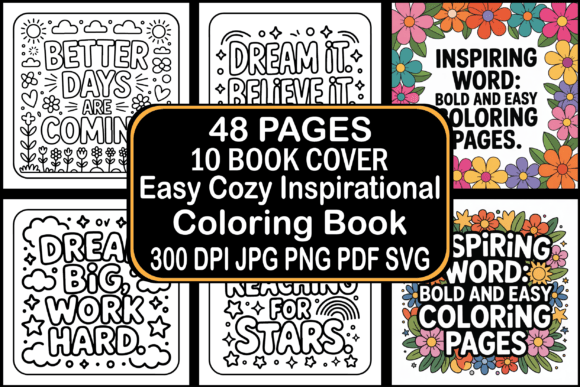
Easy Cozy Inspirational Coloring Book
First Impressions: Warm, Quiet, and Thoughtfully Contained
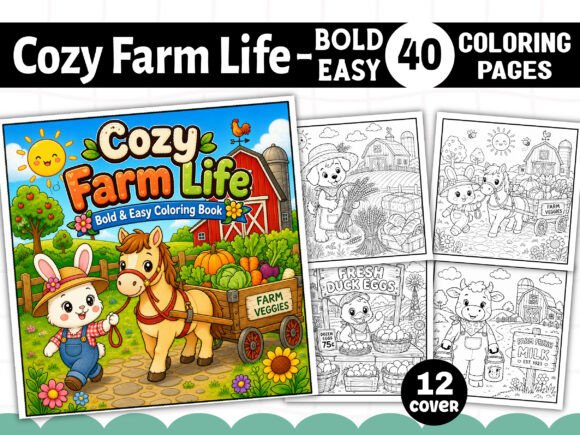
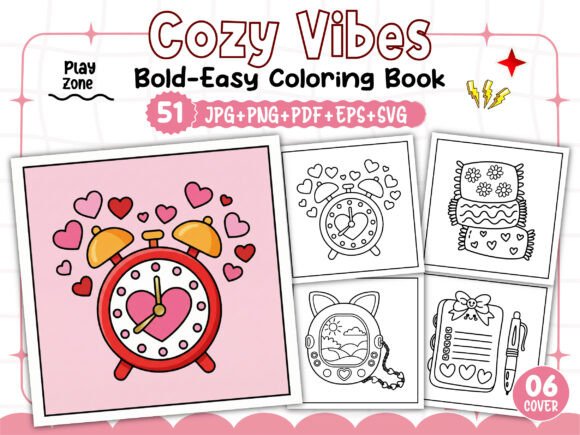
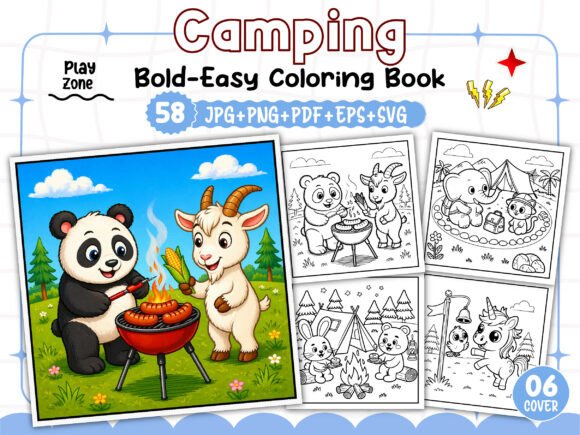
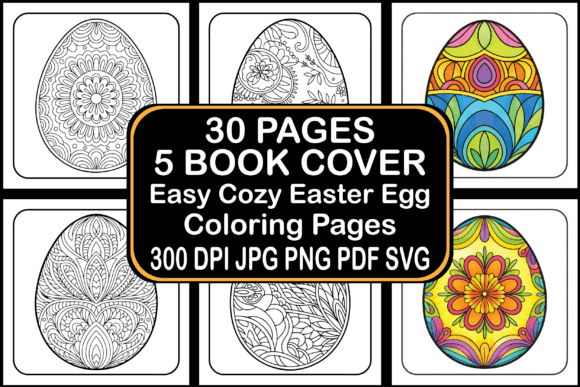
Opening Easy Cozy Inspirational Coloring Book, I felt an immediate shift—like stepping into a sunlit corner of a quiet café with a well-worn journal. These aren’t bold, high-contrast graphics built for impact at ten paces. They’re gentle line drawings: soft florals, nested hearts, simple teacups, open books, tiny birds in nests, and phrases like “breathe” or “you are enough” rendered in clean, hand-drawn lettering. The lines are consistent in weight—not too thin to vanish in stitching, not so thick they’ll balloon into muddy blobs on fabric. As an embroidery designer who’s stitched hundreds of client projects, I appreciate how much intention lives in that balance.
Real-Life Test: A Custom Embroidered Tote for a Local Bookstore Pop-Up
Last week, I prepped a limited-run tote bag collection for a neighborhood indie bookstore’s holiday event. Their ask? “Cozy but not cutesy. Uplifting, but grounded.” I pulled three pages from Easy Cozy Inspirational Coloring Book: one with a minimalist wreath and “read slowly,” another with a stack of books and “find your calm,” and a third with a single steaming mug and “pause.” I resized them thoughtfully—not shrinking below 3.5 inches wide—and digitized them as light fill-stitch + satin-stitch outlines (no dense fills). On medium-weight canvas tote fabric with tear-away + cut-away stabilizer, the results were quietly confident: legible, breathable, and unmistakably handmade. Customers didn’t just buy the bag—they paused, smiled, and said, “That feels like *me*.” That’s the power of this bundle when used intentionally.
Where It Shines (and Where It Needs Care)
Easy Cozy Inspirational Coloring Book works beautifully for:
- Personalized gifts—baby onesies with a tiny sleeping fox and “rest well,” tea towels with “kitchen calm,” or pillow covers with “this space is safe”;
- Small shop merchandise—aprons for bakeries, caps for book clubs, patches for craft fairs;
- Commercial embroidery—boutique branding where subtlety builds trust, not noise;
- Digital product previews—printable mockups for Etsy sellers showing how the design translates to real fabric before buyers commit.
But it’s not universally plug-and-play. Use caution with:
- Small hoop sizes (under 4 inches): Some pages include delicate clusters—tiny stars around a phrase, fine vine tendrils—that may lose clarity if shrunk too far;
- Textured or stretchy fabrics: A heavy terry cloth towel or ribbed knit sweatshirt can swallow fine linework. Opt for bolder reinterpretations—or pair with a subtle border stitch for definition;
- Dark fabric backgrounds: While the line art is clean, low-contrast thread (e.g., heather gray on charcoal) risks fading visually. Always test thread color contrast on scrap first;
- Curved surfaces like caps: Avoid pages with long horizontal phrases—distortion across the crown can warp letter spacing. Stick to centered motifs or short vertical words;
- Frequent-wash items (baby clothes, kitchen towels): Prioritize satin-stitch outlines over delicate running-stitch details; reinforce small anchor points where lines meet.
What It Adds to Your Finished Product—Beyond Aesthetics
This isn’t just about prettiness. Easy Cozy Inspirational Coloring Book elevates perceived value by signaling care—not just in execution, but in emotional resonance. When a customer sees “gather joy” stitched cleanly onto a linen napkin set, they don’t register “coloring page repurposed.” They register intention, warmth, and quiet confidence. That builds trust. It also supports brand consistency for makers who curate a cohesive vibe across apparel, home goods, and digital offerings. And because the designs avoid trendy clichés (“girl boss,” “wine o’clock”), they age gracefully—ideal for holiday embroidery, wedding gifts, or nursery decor meant to last beyond a season.
Practical Notes Every Embroidery Designer Should Run Through
- Test on scrap fabric first—especially with your go-to stabilizer combo and thread brand. Line clarity shifts more than you’d expect between polyester and cotton threads;
- Review stitch density before scaling: a 5-inch version of a floral motif may need reduced fill density to prevent puckering on lightweight cotton;
- Confirm hoop size compatibility: If you’re using a 4x4 hoop exclusively, preview which pages fit comfortably without trimming key elements;
- Inspect small details at 200% zoom in your embroidery software—dots, cross-hatches, and serif endings must hold up under needle movement;
- Test in black-and-white mockups to assess visual weight and hierarchy—what reads first? What fades?;
- Compare light vs. dark fabric backgrounds in your design software—some pages rely on negative space; others need subtle shadow stitches to lift off;
- Use proper stabilizer: Medium-weight cut-away for knits, tear-away + topping for textured weaves;
- Verify licensing before selling finished items or bundling these as part of a commercial embroidery file pack—this is a Coloring Pages bundle intended for KDP interior and POD use, so confirm commercial embroidery rights directly with the source;
- Ask yourself: Does this serve my customer’s quiet need—or just fill space? Easy Cozy Inspirational Coloring Book earns its keep when it answers the former.
A Design That Listens Before It Speaks
In a market saturated with loud, fast, algorithm-optimized graphics, Easy Cozy Inspirational Coloring Book stands out by doing less—and meaning more. It doesn’t shout. It settles in. As a designer who ships embroidered baby blankets knowing they’ll be held through midnight feedings, or stitches “still here” onto grief-support scarves, I value that restraint deeply. Used with attention to fabric, scale, and context, these Graphics become quiet anchors—stitched reminders that coziness isn’t passive. It’s chosen. It’s made. And sometimes, it starts with a single, steady line on a coloring page.